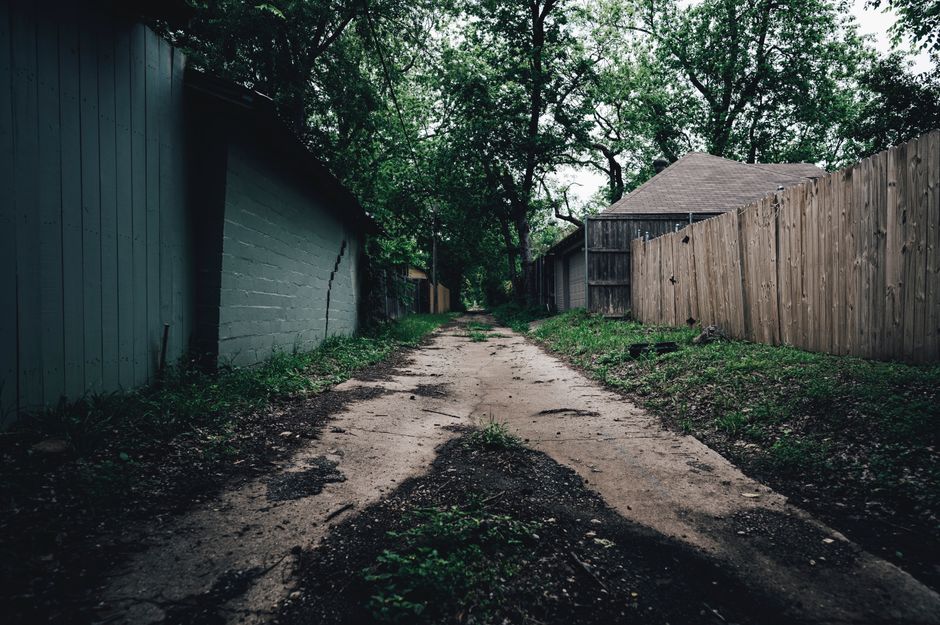
Common access problems driveway gardens Abbey Wood gardeners: practical fixes that actually help
If you are dealing with Common access problems driveway gardens Abbey Wood gardeners face every week, you already know the frustration. A garden can look straightforward from the street, then turn into a squeeze the moment tools, a mower, bags of soil, or a wheelbarrow need to get through. Narrow side paths, uneven steps, awkward gates, parked cars, overgrown planting, and tight driveways can all slow a job down before it has even started.
In Abbey Wood, those access issues are often a mix of older layouts, compact plots, shared entrances, and the practical realities of London parking. The good news? Most of them can be managed with a little planning, the right method, and a clear understanding of what the gardener needs on site. This guide breaks it all down in plain English, with useful fixes you can apply whether you are booking regular maintenance or planning a bigger garden refresh.
To make things easier, we will cover the main access barriers, why they matter, how a professional usually works around them, and what you can do to reduce delays, disruption, and avoidable costs. A small tweak at the front of the property can save a lot of faff later. Truth be told, that is often where the best results begin.
- Quick takeaway: access problems are rarely just an inconvenience; they affect safety, timing, equipment choice, and the final quality of the work.
- Best approach: identify the bottleneck early, clear the route, and match the job plan to the space available.
Why Common access problems driveway gardens Abbey Wood gardeners Matters
Access sounds like a small detail until you are trying to move compost through a tight side gate in the rain. Then it matters a lot. A difficult entrance can affect almost every part of a garden visit: arrival time, load-in, safety, tool selection, waste removal, and how much can realistically be completed in one session.
For Abbey Wood properties, driveway gardens often have one or more of these constraints: a narrow frontage, a sloping run to the rear garden, low boundary walls, shared access with neighbours, or a driveway that doubles as parking. Gardens may also sit behind mature hedging or climbers that have slowly crept into the path. It is not dramatic; it is just practical reality.
Why does that matter? Because if access is underestimated, jobs tend to take longer, costs can creep up, and the work can become physically awkward. In some cases, it also increases the chance of damage to paving, fencing, walls, planting, or lawn edges. A professional gardener does not just "get in and start"; they first work out how to move safely and efficiently.
It is also worth noting that access can shape the whole service recommendation. A job that might normally suit a heavy-duty mower or large clearance team may be better tackled in smaller stages. That is especially true where you want a tidy finish without turning the front drive into a temporary building site. Nobody wants that, obviously.
Expert view: Good access planning is not about making the job easier for the gardener alone. It protects the property, saves time, and gives the client a cleaner, calmer experience from the start.
How Common access problems driveway gardens Abbey Wood gardeners Works
The phrase may sound a bit clunky, but the idea is simple: a gardener assesses how people, tools, machinery, and green waste will move through the property before work begins. That means looking at the front approach, the width of gates and paths, the surface condition, and any fixed obstacles such as bins, planters, bikes, or cars.
In practice, a good access check usually asks a few basic questions:
- Can a wheelbarrow pass through without scraping walls or beds?
- Is there enough room to carry larger items such as hedge trimmings, branches, or bags of topsoil?
- Will doors, gates, or side passages need to stay open while the work is happening?
- Is parking close enough for unloading tools and waste?
- Are there height restrictions from trees, canopies, or overhanging structures?
For driveway gardens, the front of the property may be the main staging area. That means the space needs to be treated almost like a small work zone. On a busy street, this can be awkward, especially if parking is tight or the drive is too short for the van to stay safely off the road. A professional will usually try to minimise disruption, but the property layout sets the rules.
Sometimes the problem is not the width, but the sequence. For example, you may have a decent gate, but then a sharp turn, a step down, and a narrow route along the house wall. One bad bend can slow the whole job. Other times the issue is slippery paving or loose gravel, which makes moving equipment feel a bit like a balancing act. Not ideal when you are carrying cutting tools.
If you are planning a wider garden update, access also affects design choices. For example, if the space is hard to reach, a project might lean towards lighter materials, modular planting, or staged delivery. That is where ideas from container gardening and vertical gardening can be surprisingly useful, because they create impact without demanding heavy-site movement.
Key Benefits and Practical Advantages
Sorting access properly is not glamorous, but it pays off. The first win is speed. If tools and waste can move cleanly through the property, the gardener spends more time working and less time wrestling with logistics. That alone can make the visit feel calmer and more efficient.
The second benefit is safety. Tight access is where trips, grazes, awkward lifting, and accidental damage tend to happen. A clear route reduces the chance of someone twisting a back while carrying a full bag of soil or clipping a wall with a mower. In a garden setting, small mistakes can become annoying very quickly.
The third benefit is quality. When access is poor, the job sometimes gets done in a rushed or piecemeal way. By contrast, when the route is planned well, the gardener can carry out detailed work neatly, keep edges tidy, and remove waste properly rather than leaving piles in a corner to "deal with later".
There is also a budget angle. Better access often means fewer wasted minutes, fewer return trips, and fewer unexpected adjustments on the day. You may still need specialist handling for trees, large hedges, or patio surfaces, but the overall job becomes more predictable. If you are comparing options, it is sensible to look at pricing and quotes early, especially where access looks tight or complex.
And let's be honest, a tidy start usually leads to a tidier finish. Once the front route is under control, the whole job feels less chaotic. That matters to homeowners, tenants, landlords, and anyone trying to keep the place looking decent without making a day of it.
Who This Is For and When It Makes Sense
This topic matters if your garden has one or more of the following:
- a narrow side passage
- a steep step or split-level layout
- a driveway that is too tight for equipment handling
- shared access with neighbouring homes
- overgrown planting blocking the route
- limited parking outside the property
- heavy or awkward waste that cannot be carried easily
It is also relevant if you are planning regular maintenance rather than a one-off clearance. A one-off job can sometimes be managed with patience, but recurring visits are easier when the route is dependable. That is especially true for services like garden maintenance or lawn care, where repeated access through the same pinch points can become a pattern rather than a one-day issue.
Homeowners are not the only people who should care about this. Landlords, letting agents, property managers, and anyone preparing a garden for sale or rental use should think about access too. Even a neat, modest space can feel more appealing if the approach is simple and uncluttered.
It also makes sense if the garden is under-used because it feels awkward to get to. A lot of people quietly avoid areas that are inconvenient. That is human enough. If a path is clumsy or the gate jams every time, the garden simply gets neglected. Over time, that can turn a manageable issue into a much bigger one. If that sounds familiar, a reset through giving your neglected garden a new lease on life is often the most realistic first step.
Step-by-Step Guidance
Here is a practical way to deal with access problems before work starts.
- Walk the full route. Start at the street or parking point and trace the path to the garden. Notice width, turns, steps, slopes, and anything sticking out.
- Measure the narrow points. A rough visual guess can be misleading. Measure gate openings, side paths, and any pinch points where equipment must pass.
- Identify removable obstacles. Move bins, bikes, furniture, hose reels, plant pots, and temporary storage out of the route. You would be surprised how much space these things steal.
- Check the ground surface. Loose slabs, muddy strips, slippery decking, or gravel can all change how equipment is carried.
- Decide where loading will happen. Pick a sensible parking or unloading point so tools and waste do not have to be carried unnecessarily far.
- Separate the job into stages if needed. If access is limited, it may be smarter to tackle clearing, pruning, lawn work, and waste removal in sequence rather than all at once.
- Tell the gardener in advance. Be specific. "There is a narrow side gate and one step down after the shed" is far more helpful than "access is a bit tight".
If you are planning a bigger change, combine access planning with layout planning. For example, a project that improves borders, reduces clutter, and makes the route more open can help long-term. Ideas from smart seating design can also make a garden feel easier to move through, because the furniture works with the space instead of fighting it.
One small real-world example: a side passage that feels unusable with bins, a ladder, and a few overgrown shrubs can often become manageable again after a single clearance session. Not magical. Just sensible. Clear the route once, then keep it open.
Expert Tips for Better Results
In our experience, the best access fixes are the ones that reduce friction rather than trying to force a perfect solution. A few grounded tips make a big difference:
- Keep the route permanently clear. Do not let storage drift back into the path after the first tidy-up.
- Use smaller, lighter containers where possible. If a garden is hard to reach, avoid overloading bags or pots.
- Trim back overhang early. Hedges, climbers, and self-seeded growth can narrow access more than people realise. If that is becoming an issue, hedge trimming is worth prioritising.
- Plan waste removal before the job begins. Green waste is one of the biggest access headaches, especially after pruning or clearance.
- Choose materials that suit the route. For hard-to-reach gardens, lighter compost, smaller paving pieces, or modular planting usually work better than bulky deliveries.
- Protect surfaces. If the driveway is part of the work route, think about boards, mats, or careful stacking to avoid scuffs and stains.
There is also a design-level trick: make the access route visually obvious. When paths are hidden behind pots, grass, or wandering climbers, people naturally drift into the wrong place. A clean line of travel, even a simple one, saves effort every time. For gardens that need privacy as well as access, a well-placed screen or boundary planting can help if chosen carefully. See also privacy hedges and evergreen climbers for planting ideas that do not have to choke the route.
Common Mistakes to Avoid
Most access problems get worse because of a few very normal mistakes. The first is assuming the route will be "fine on the day". It often is not. A route that looks passable in daylight can become awkward once a wheelbarrow, a bag of mulch, and a wet surface are all part of the equation.
Another common issue is parking too far away. The extra carrying distance seems minor at first, then it adds up across an entire session. That is especially true for hedge work, lawn care, or heavy clearance jobs. If you know the parking is awkward, say so early. It is far easier to plan for it than to improvise halfway through.
People also forget about hidden access blockers. These are the sneaky ones: a stubborn latch, a gate that only opens halfway, a loose paving stone, or a branch that catches every tall item. None of them sound major, but together they slow everything down.
A few other mistakes to watch for:
- keeping bins, tools, and furniture in the working route
- leaving pets or children in the access path while work is underway
- underestimating how much waste will come out of a hedge or border
- assuming all machinery will fit through a side passage
- starting a large job without checking whether disposal access is practical
One mildly amusing truth: the garden always seems to find a way of hiding the awkward bit until the worst possible moment. It is almost a personality trait. Best not to let it win.
Tools, Resources and Recommendations
The right tools do not solve access problems by themselves, but they do make tight spaces far easier to work in. For awkward driveway gardens, lighter and more compact kit is often more useful than oversized machinery. A small mower, folding hand tools, compact loppers, sturdy gloves, and manageable waste sacks can be worth far more than a bigger kit that is hard to move around.
For jobs involving heavier cutting or tree work, safety matters even more. If branches, trunks, or overhead obstacles are part of the access issue, the garden may need a more careful approach through tree surgery. That is not just about cutting; it is about reducing risk and opening the space in a controlled way.
Depending on what the garden needs, the following pages can also help you think through the next step:
- general gardening services for mixed or difficult jobs
- landscaping support when access and layout need to improve together
- fencing work if boundary access or gate alignment is part of the problem
- patio cleaning if slippery hardstanding is making movement unsafe
If you are starting from a badly overgrown state, a few supporting reads can be useful too. weed control is often the first maintenance task to free up the route, while ground cover plants can help stabilise neglected edges without creating too much maintenance later.
Law, Compliance, Standards, or Best Practice
For most household garden access issues, there is no dramatic legal drama lurking around the corner. Still, best practice matters. Garden work should be carried out safely, with due care for the property, neighbours, and anyone on site. That includes keeping paths reasonably clear, managing tools properly, and avoiding damage to shared areas or public pavement where possible.
If the driveway or access route is shared, it is wise to be considerate about parking, noise, and how long equipment is left in common areas. In London, those practical courtesies matter a great deal. They keep the job smoother and reduce the chance of awkward conversations. Nobody needs a neighbourhood row over a hedge cut, honestly.
From a professional standpoint, good practice also means:
- using equipment that suits the access available
- protecting surfaces from avoidable scratches or staining
- keeping work zones tidy and free from trip hazards
- being clear about any limitations before the job starts
- following a sensible approach to waste handling and disposal
Where a property has accessibility needs, a gardener should think carefully about safe movement and avoid creating barriers with temporary clutter. If you want to understand how a company approaches those responsibilities, it can help to review its accessibility statement, health and safety policy, and insurance and safety information. These pages are useful because they show how seriously practical risk is taken, even when the job looks routine.
Options, Methods, or Comparison Table
Different access problems call for different approaches. Here is a simple comparison to help you judge what usually fits best.
| Access challenge | Best approach | Why it works | Watch out for |
|---|---|---|---|
| Narrow side gate | Use compact tools and staged movement | Reduces collision risk and keeps the route manageable | Forcing large kit through the gap |
| Long carry from parking | Plan load points and reduce waste volume early | Limits repeated heavy lifts | Underestimating time and fatigue |
| Overgrown entrance | Clear the route first, then maintain it | Improves access immediately and prevents re-blocking | Trying to prune while standing in a cramped path |
| Shared driveway | Agree timing and keep common areas tidy | Reduces disruption for neighbours | Leaving tools or debris in shared space |
| Sloped or uneven access | Use careful manual handling and surface checks | Helps prevent slips and damage | Moving heavy items too quickly |
In many cases, the best answer is not one method but a combination. For example, a narrow entrance plus a long carry may call for light tools, a clear staging area, and fewer oversized deliveries. If the garden also needs redesigning, then the access fix and the layout fix should happen together. That is usually the smarter move.
Case Study or Real-World Example
Consider a typical Abbey Wood driveway garden with a narrow side route, a couple of large pots near the gate, and a rear lawn that has become difficult to maintain because the path is always half blocked. On paper, it sounds like a simple tidy-up. In practice, the gardener spends the first ten minutes just getting into position.
The first step is not mowing or pruning. It is clearing the line of travel. Pots are moved, old garden clutter is stacked safely, and the route is checked for slips and loose slabs. Then the work is split into stages: front access first, overgrowth second, waste removal third. Once the path is open, the rest of the job becomes straightforward.
What changed? Not the garden's size. Not the tools, really. The difference came from sequence and space management. The lawn could be cut properly, the edges trimmed more neatly, and the waste removed without making three extra trips. That is the point access planning makes over and over again: a small amount of preparation saves a lot of strain later.
A similar pattern often appears in properties where garden upkeep has slipped for a while. When clutter, weeds, or hedge growth take over the access route, the space starts to feel smaller than it is. Clearing that route can make the whole garden feel more usable almost immediately. If the space is in that state, it may be worth looking at how to revive a neglected garden and ongoing maintenance so the problem does not creep back.
Practical Checklist
Use this before any gardening visit or garden project where access may be tight.
- Walk the route from street to working area
- Measure gates, paths, and narrow turns
- Move bins, bikes, toys, and loose furniture
- Check for steps, slippery paving, or uneven ground
- Confirm where parking or unloading will happen
- Identify any hedges, ivy, or climbers narrowing the route
- Estimate how much green waste may need removing
- Tell the gardener about shared access or neighbour concerns
- Decide whether the job needs to be split into stages
- Keep the route open after the work is done
If you want the area to stay manageable, keep this checklist handy after the first tidy-up too. Access problems are easier to prevent than to cure, which is a bit dull, but true.
Conclusion
Common access problems driveway gardens Abbey Wood gardeners encounter are rarely about one single obstacle. More often, they are a combination of narrow routes, parked cars, overgrowth, awkward surfaces, and layout choices that were never designed with regular maintenance in mind. Once you spot the bottleneck, though, the solution becomes much more manageable.
The best results come from honest planning, simple clearing, and choosing methods that suit the space rather than fighting it. That might mean lighter tools, staged visits, a better route through the property, or small design changes that make everyday access easier. It does not have to be dramatic. In fact, the calm, sensible fixes are usually the ones that last.
If you are looking at a driveway garden and thinking, "Right, where do I even start?", start with access. That one decision can improve safety, save time, and make the whole space feel more usable again. And that is often the real win.
Get a free quote today and see how much you can save.
Frequently Asked Questions
What are the most common access problems in driveway gardens?
The most common issues are narrow gates, limited parking, overgrown side routes, uneven paving, shared driveways, and awkward turns that make carrying tools or waste difficult.
Why does access matter so much for garden work?
Access affects safety, speed, tool choice, and how neatly the job can be completed. If the route is poor, even simple tasks can become slower and more disruptive.
Can a gardener still work if my driveway is very tight?
Usually yes, but the job may need a different approach. Compact tools, staged movement, and careful planning often make tight-access gardens perfectly workable.
Should I clear the route before the gardener arrives?
Yes, if you can. Moving bins, toys, furniture, and loose items out of the path makes the visit smoother and saves time on arrival.
What if parking is difficult outside my house?
Tell the gardener in advance. They may adjust the visit plan, bring lighter kit, or schedule the work in a way that reduces carrying distance.
Do access problems make garden work more expensive?
They can, depending on how much extra time, labour, or equipment handling is involved. Clear information upfront helps avoid surprises.
What kind of jobs are most affected by poor access?
Hedge cutting, waste removal, tree work, turf-related jobs, and major clearances are usually the most affected because they involve larger loads or more movement.
How can I improve access without changing the whole garden?
Start by trimming back growth, reducing clutter, keeping paths clear, and using the space more deliberately. Small changes often make a big difference.
Are shared driveways a problem for gardeners?
They can be, mainly because of parking, neighbour access, and limited room to stage tools. Good communication usually solves most of it.
Is it better to split a difficult job into stages?
Often yes. Staged work is usually safer and more practical when access is limited or when the garden needs a large amount of clearing.
What should I tell a gardener before booking if access is poor?
Explain the gate width, parking situation, steps, slopes, shared access, and any overgrowth blocking the route. Specific details help a lot.
Can access issues affect garden design as well as maintenance?
Absolutely. If a garden is hard to reach, design choices such as planting style, path layout, and material delivery all need to take that into account.
How do I know if my garden needs professional help for access problems?
If the route feels unsafe, too narrow for equipment, or regularly causes delays, professional help is worth considering. A fresh set of eyes often spots simple fixes quickly.
If you are ready to get the route sorted and make the space easier to manage, a practical review is usually the best next step. Small changes, done well, can make a garden feel lighter straight away.