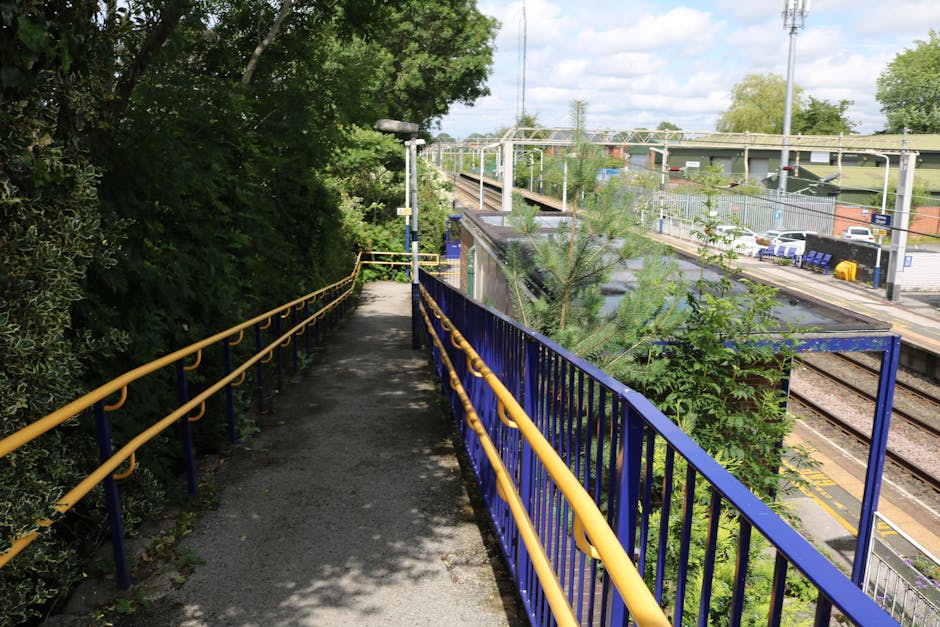
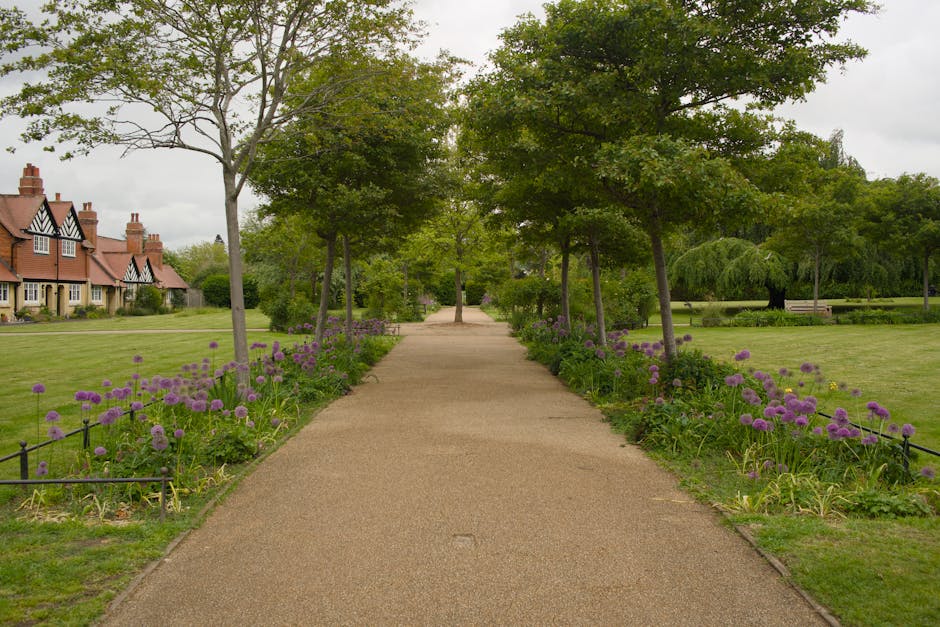
Abbey Wood station gardens top tips from local gardeners
If you live near Abbey Wood station, you already know the area has its own gardening rhythm: a bit of commuter rush, a mix of sun and shade, pockets of wind, and gardens that need to work hard without demanding every spare weekend. That is exactly why Abbey Wood station gardens top tips from local gardeners are so useful. They are not polished show-garden ideas pulled from nowhere; they are the kind of practical, real-world tips that help a small front plot, a narrow side return, or a tired back garden look better and stay manageable.
In this guide, you will find what local gardeners tend to prioritise, why those choices make sense around Abbey Wood, and how to turn the advice into action without wasting money or effort. We will cover planting, layout, maintenance, privacy, weed control, weather resilience, and the little decisions that make a garden feel calmer and easier to live with. Let's face it, a garden should fit your life, not become another job that nags at you every Saturday morning.
Table of Contents
- Why Abbey Wood station gardens top tips from local gardeners Matters
- How Abbey Wood station gardens top tips from local gardeners Works
- Key Benefits and Practical Advantages
- Who This Is For and When It Makes Sense
- Step-by-Step Guidance
- Expert Tips for Better Results
- Common Mistakes to Avoid
- Tools, Resources and Recommendations
- Law, Compliance, Standards, or Best Practice
- Options, Methods, or Comparison Table
- Case Study or Real-World Example
- Practical Checklist
- Conclusion
- Frequently Asked Questions
Why Abbey Wood station gardens top tips from local gardeners Matters
Gardens around Abbey Wood station often face a blend of urban conditions that shape what will actually thrive. There can be shade from fences or neighbouring buildings, dry patches near paving, gusty spots along boundaries, and a fair bit of foot traffic if the garden is close to a busy entrance or shared route. That means generic advice is only so helpful. Local experience matters because it tends to account for the stuff people only learn after a season or two: where the soil stays wet, what gets battered by wind, which corners never seem to get enough light, and how quickly weeds make themselves at home.
There is also a simple lifestyle reason. Many people near transport links want a garden that looks tidy most of the time, but still feels welcoming after work or on a Sunday afternoon. A design that looks fantastic only if you spend hours maintaining it usually falls apart fast. That is where local gardeners' top tips become valuable: they focus on low-drama plants, sensible layout choices, and routines you can actually keep up.
If you are trying to revive an overgrown space, the approach can be even more useful. A lot of neglected gardens do not need a full rebuild. They need one or two smart decisions made in the right order. That might mean clearing ivy properly, reworking the lawn, adding structure with hedging, or using containers to bring life back to a dull patio. For a broader refresh, it can help to explore giving your neglected garden a new lease on life alongside the practical tips below.
How Abbey Wood station gardens top tips from local gardeners Works
The easiest way to think about this topic is as a sequence: observe, prioritise, and then plant or maintain accordingly. Local gardeners do not usually begin with the prettiest plant. They begin with conditions. How much light does the garden get? Is the soil heavy or free-draining? Does the wind whip through the side return? Is privacy a concern from homes or passing views? Once those basics are clear, the right choices become much easier.
In practical terms, the method often looks like this:
- Assess the site at different times of day.
- Remove problems first: weeds, dead growth, unstable shrubs, or invasive plants.
- Choose structure plants that solve more than one issue, such as hedges for screening or climbers for shade and softness.
- Layer in easy-care planting that fills gaps and helps keep weeds down.
- Finish with a maintenance routine that matches your schedule, not someone else's ideal.
This is where a few connected topics start to matter. For example, if you want privacy, you may not need a wall; a well-chosen hedge can do the job more naturally. If you have awkward shade, evergreen climbers can bring vertical interest without crowding the ground. And if you want a cleaner, neater look with less effort, ground cover plants are often the underrated hero. There is a nice overview of useful low-level planting in these ground cover plant ideas for UK gardens.
To be fair, not every garden needs all of this. But the best local advice tends to treat the garden as a living system, not a shopping list.
Key Benefits and Practical Advantages
When you use local gardening tips well, the benefits show up in everyday ways rather than dramatic before-and-after photo moments. The garden feels easier to manage. It looks more coherent. You waste less money on plants that sulk and die. And, importantly, you get more enjoyment out of the space because it stops feeling unfinished.
Some of the clearest advantages include:
- Better plant survival: choosing species suited to shade, wind, or container life means fewer losses.
- Less maintenance pressure: simple planting schemes and sensible mulching reduce constant weeding and watering.
- Improved privacy: hedges, climbers, and layered planting can soften sightlines without making the garden feel boxed in.
- More usable outdoor space: layouts that account for seating, access, and storage make the space more liveable.
- Stronger year-round structure: evergreens keep the garden from looking empty in winter.
There is also a financial angle, though it is not always talked about enough. A well-planned garden tends to be cheaper over time because you stop repeatedly replacing unsuitable plants, fixing avoidable problems, or paying for heavy work that could have been prevented. If you are trying to keep things sensible, a good starting point is these low-cost garden ideas, which fit neatly with a practical Abbey Wood approach.
Expert summary: The best Abbey Wood garden advice is rarely the fanciest. It is the advice that helps a space stay attractive, manageable, and resilient through a normal British year. In other words, beauty that can survive Tuesday rain and a busy schedule.
Who This Is For and When It Makes Sense
This approach is useful for a wide range of people. If you are a new homeowner near Abbey Wood station, it helps you avoid the classic mistake of buying plants first and thinking later. If you have an established garden that has become patchy, overgrown, or awkward, local tips can help you reset without starting from zero. And if you simply want a smarter, more polished outdoor space, the advice gives you a practical framework rather than guesswork.
It also makes sense in different scenarios:
- Small gardens: where every square metre needs to earn its place.
- Family gardens: where safety, durability, and easy access matter.
- Busy households: where maintenance time is limited.
- Windy or exposed plots: where shelter and plant choice are crucial.
- Shaded gardens: where light levels restrict the usual planting options.
- Privacy-sensitive spaces: where screening and boundary planting are needed.
If pets are part of the picture, or if children use the garden a lot, you may need to be extra careful about plant selection and layout. A garden can be friendly and practical at the same time. It just needs some thought. For households with children, the ideas in these kid-friendly garden ideas can be a useful companion read.
Step-by-Step Guidance
Here is a straightforward way to apply local gardener advice without overcomplicating things.
1. Walk the garden properly
Do this at least once in daylight and once in lower light. Notice where the sun lands, where water sits after rain, and which corners always feel a bit exposed. It sounds basic, but honestly, this is where better decisions begin.
2. Clear the obvious problems
Take out dead plants, choking weeds, broken containers, and anything that is spreading too aggressively. Ivy is a common example. It can look charming until it is not. If you have a stubborn patch, this guide to removing ivy is a sensible place to understand the options before you start yanking at it.
3. Decide on the garden's main job
Ask yourself what the space is meant to do. Relaxation? Privacy? Family play? Herbs and vegetables? Easy upkeep? Most gardens try to do everything and end up doing nothing particularly well. A clear purpose simplifies everything.
4. Build structure first
Before you think about decorative annuals, choose the structural elements: hedging, screening, paths, seating, or edge planting. For privacy, it often pays to explore strong boundary planting. hedging ideas for privacy can help if your garden feels a little too overlooked.
5. Add the right planting layers
Use tall plants, mid-height shrubs, and low ground cover together. That layered effect looks richer, but it also helps suppress weeds and makes the space feel finished. For awkward shady spots, a quick read about evergreen climbers for shady corners can spark useful ideas.
6. Choose a manageable maintenance rhythm
Not every garden needs weekly attention. Some need a fortnightly tidy, others a seasonal cutback and a light touch in between. The trick is matching your routine to reality. If you know you will not keep up with constant deadheading, do not design the garden around it.
7. Finish with the details that make it pleasant to use
Think about seating, a clean patio, storage, edging, and simple lighting. The garden should invite you outside. A small seating area, even just one chair in the right spot, can change how often you use the space. There is a useful piece on smart seating for a backyard retreat if you want to think that through properly.
Expert Tips for Better Results
Local gardeners tend to lean on a few habits that pay off quietly over time.
Use tougher plants where life is harder. Near paths, gates, and fence lines, choose plants that cope with a bit of neglect, foot traffic, or wind. Put the fussier plants in easier spots where you will actually notice them.
Prioritise year-round structure. Evergreen shrubs, hedges, and climbers help a garden look alive in every season. That matters more than people think, especially in late autumn when a bare border can feel a bit flat and grey.
Keep the soil fed. Compost, mulch, and organic matter make a bigger difference than many new gardeners expect. Healthy soil is the quiet engine under the whole thing. If you want a more sustainable angle, this eco-friendly waste-to-soil guide is a helpful companion.
Think in zones, not just plants. A seating zone, a planting zone, a storage zone, and a maintenance zone are easier to manage than a single mixed-up space. That may sound a little organised, but there is a reason professionals do it.
Pay attention to visibility from the station-side approach. In some gardens, the first few metres do the heavy lifting. Tidy edging, a healthy hedge, or a well-maintained front boundary can improve the whole feel of the property before anyone has even stepped inside.
Don't overbuy. It is easy to get excited in spring and end up with too many different varieties. One or two repeated planting groups usually look better and are easier to care for. Repetition can be a virtue. Really.
Common Mistakes to Avoid
Most gardening headaches are surprisingly preventable. A few of the common ones crop up again and again around urban and suburban plots.
- Ignoring light levels: shade-loving plants put in full sun, or the reverse, will struggle no matter how well you water them.
- Forgetting mature size: small shrubs can turn into big, awkward ones. Then the pruning begins, and it is never quite as fun as the catalogue picture suggested.
- Planting too densely: gardens need air movement and access as well as foliage.
- Leaving invasive growth unchecked: ivy, brambles, and similar spreaders can take over fast.
- Choosing style over resilience: delicate plants may look nice in the nursery, but if the site is windy and exposed, they might not last long.
- Overcomplicating maintenance: if the routine feels impossible from day one, it will not improve.
A lot of people also forget seasonal protection. Winter, in particular, can expose poor planning. If your garden is open to cold winds, take a look at how to defend plants from winter harshness and how to design against excessive wind. That sort of preparation saves both effort and disappointment later on.
Tools, Resources and Recommendations
You do not need a shed full of equipment to improve a garden, but a few dependable tools make life much easier. A sharp pair of secateurs, a sturdy spade, a hoe or hand weeder, gloves that actually fit, and a decent watering can are more useful than novelty gadgets. A lightweight rake and a pruning saw may also earn their keep if you are tackling older shrubs or clearing a neglected border.
If you are starting from scratch, it helps to read a sensible guide to basics before buying everything in sight. this tools guide for garden mastery is a practical place to begin. And if your garden has many awkward vertical spaces, fences, or bare walls, vertical gardening ideas can help you use height without crowding the ground.
Other useful resources and service considerations include:
- garden maintenance in Abbey Wood for regular upkeep support
- lawn care in Abbey Wood if your turf needs proper attention
- lawn mowing in Abbey Wood for routine cutting and edging
- hedge trimming in Abbey Wood where boundaries need shaping
- patio cleaning in Abbey Wood if hard surfaces are dull or slippery
- landscaping in Abbey Wood for bigger layout changes
If you are dealing with a garden that has become a bit of a jungle, it may be worth seeing what a professional reset can involve through gardening services in Abbey Wood. And if you simply want to understand the team, about the company is worth a read before making a decision.
Law, Compliance, Standards, or Best Practice
For everyday home gardening, there is usually less formal compliance than people expect, but best practice still matters. If you are pruning trees, working near boundaries, using power tools, or managing waste from a larger clearance, it is sensible to work carefully and safely. In the UK, homeowners also need to be considerate about shared boundaries, access, and not causing nuisance through unmanaged overgrowth or unsafe work.
Good practice includes:
- checking whether any trees are large enough or sensitive enough to need specialist handling
- being careful with ladders, sharp tools, and power equipment
- disposing of green waste responsibly
- keeping paths, entrances, and working areas clear
- using plant choices that match the site rather than forcing unsuitable species to cope
If you are unsure about safety or want the work handled properly, it is sensible to review health and safety guidance and insurance and safety information before arranging more involved work. For service expectations, pricing structure, and how jobs are usually handled, pricing and quotes, terms and conditions, and payment and security are all useful to review. If anything is unclear, the complaints procedure and accessibility statement also help set expectations in a transparent way.
That may sound dry, but it matters. A garden job done safely and clearly is usually a garden job that goes smoothly. Funny how that works.
Options, Methods, or Comparison Table
Different garden problems call for different solutions. The table below compares a few common approaches local gardeners use around Abbey Wood station gardens.
| Goal | Best Option | Why It Works Well | Watch Out For |
|---|---|---|---|
| More privacy | Hedges or layered screening | Natural-looking, effective, and good year-round structure | Needs trimming and enough room to mature |
| Shady corner interest | Evergreen climbers | Adds height and life where flowers struggle | Needs support and occasional guidance |
| Low-maintenance ground coverage | Ground cover plants | Helps suppress weeds and soften bare soil | Choose carefully so it does not spread too far |
| Quick seasonal colour | Containers | Flexible, easy to refresh, useful for small spaces | Needs watering more often, especially in summer |
| Outdoor relaxation | Defined seating area | Makes the garden more usable day to day | Works best if the surrounding layout feels calm |
For many gardens, the smartest answer is not one method, but a mix. A hedge at the boundary, ground cover below, containers by the patio, and a simple seating area can work together very neatly. That kind of layering is what local gardeners often mean when they say a garden should feel "finished."
Case Study or Real-World Example
Picture a narrow back garden near the station: the kind of place that gets a bit of afternoon shade, a strip of tired lawn, a fence that looks harsher than it should, and a patio that has gone slippery and dull after a few wet months. Nothing dramatic. Just a space that has stopped feeling inviting.
A local-style approach would usually begin with cleanup. Clear the weeds. Cut back the overgrowth. Remove the worst of the ivy or any plant that is swallowing light and space. Then comes structure: a few evergreen shrubs or climbers along the boundary, perhaps a neat hedge section for privacy, and low planting to cover bare soil. A simple seating corner goes in next, because otherwise the garden still feels like a project rather than a place.
Instead of trying to make every bed look full immediately, the gardener might repeat a limited palette of plants so the space feels calmer. A container or two gives the owner seasonal colour without committing to high-maintenance bedding everywhere. The patio gets cleaned, the lawn is trimmed back into shape, and suddenly the garden reads as intentional rather than neglected. Not perfect. Just better in a way you can feel when you step outside.
If a space has been ignored for a while, the advice in reviving a neglected garden fits this kind of scenario well. And if the problem is mainly the lawn, then lawn care support may be the quickest win.
Practical Checklist
Use this checklist before you start, or before you ask for help.
- Have I checked where the sun, shade, and wind actually fall?
- Do I know what the garden needs most: privacy, colour, structure, or easy upkeep?
- Have I removed weeds, dead growth, and invasive plants first?
- Are the plants I want suitable for the conditions here?
- Have I allowed enough room for mature growth?
- Is there a simple seating area or usable space I can enjoy straight away?
- Do I need help with hedges, trees, patios, fences, or lawn care?
- Is my maintenance plan realistic for my actual schedule?
- Have I thought about safe access, tools, and waste removal?
- Do I want the garden to look tidy in every season, not just in spring?
Quick takeaway: The best Abbey Wood station gardens top tips from local gardeners usually start with the site, not the style. Once you understand the space, the right plants and layout choices become much easier.
Get a free quote today and see how much you can save.
Conclusion
Abbey Wood station gardens work best when they are designed for real life. That means choosing plants that suit the light, using structure to solve practical problems, and keeping the maintenance level honest. It also means recognising that a garden does not need to be extravagant to be successful. A tidy hedge, a healthy border, a clean patio, and one comfortable place to sit can change everything.
If you take only one thing from this guide, let it be this: start with the conditions, then build from there. That simple shift saves time, reduces frustration, and usually leads to a garden that feels calmer and more welcoming. Not flashy. Just right. And sometimes that is the nicest kind of garden there is.
Frequently Asked Questions
What are the most useful Abbey Wood station gardens top tips from local gardeners?
The most useful tips usually focus on matching plants to the site, building structure first, and keeping maintenance realistic. In practice, that means checking light, wind, and soil before buying anything, then choosing hedges, climbers, ground cover, or containers that suit those conditions.
Which plants work best in Abbey Wood gardens?
That depends on the garden, but local gardeners often favour sturdy plants that handle urban conditions well. Evergreen structure plants, hardy hedges, and reliable ground cover are often a better bet than delicate varieties that need constant fussing.
How can I make a small garden near Abbey Wood station feel bigger?
Use a simple layout, repeat a few plant types, and avoid overcrowding. Vertical planting, slim hedging, and a clear seating zone can help a small garden feel more open and less cluttered. Mirrors and clever hard landscaping can help too, but only if they do not make the space feel busy.
What should I do first if my garden is overgrown?
Start by clearing weeds, dead plants, and invasive growth. Then cut back what is blocking light or access. Once the garden is readable again, you can decide whether it needs new planting, hedge work, lawn care, or a full refresh.
Are hedges better than fences for privacy?
Often, hedges feel softer and more natural than fences, and they provide a living boundary. But fences can be the better choice if you need immediate screening or a tighter boundary line. Many gardens use both together, which is usually a sensible compromise.
How do I deal with shady corners in Abbey Wood gardens?
Choose plants that tolerate shade rather than fighting the site. Evergreen climbers, shade-tolerant shrubs, and a few containers placed in the brighter edges can bring those corners to life without forcing the wrong plant choices.
How often should I maintain a garden like this?
It depends on the planting style and the season. A low-maintenance garden might need weekly or fortnightly light care, while a more planted or formal space may need more frequent attention. The best rule is to keep on top of small jobs before they become big ones.
Do I need professional help for hedge trimming or lawn care?
Not always, but professional help makes sense if the job is large, awkward, or time-consuming, or if you want a very neat finish. Services such as hedge trimming and lawn mowing can save a lot of effort and keep the garden looking more consistent.
What is the biggest mistake people make with local garden projects?
Probably choosing plants or features before understanding the space. A garden can look brilliant in a catalogue and still fail badly in wind, shade, or poor soil. It is one of those classic mistakes that feels small at the time and annoying later.
Can containers help if I do not have much planting space?
Yes, absolutely. Containers are flexible, easy to move, and ideal for adding colour or structure where ground planting is limited. They are especially useful for patios, paved areas, and small gardens where every inch matters.
How do I choose between garden maintenance and landscaping?
If your space mostly needs tidying, pruning, and regular care, maintenance is usually enough. If the layout does not work, the boundaries need changing, or the space needs a bigger visual reset, landscaping may be the better option. If you are unsure, a conversation with a local team can save time and money.
Is it worth cleaning the patio as part of a garden refresh?
Yes. A clean patio often makes the entire garden look better straight away. Slippery, stained, or dull paving can drag down the rest of the space, even if the planting is good. It is one of the quickest visual wins.
Where can I get advice or a quote for work in Abbey Wood?
If you want to talk through your options, the simplest next step is to use the contact page. You can also look at pricing and quotes first if you want to understand the process before getting in touch.